Permitted Development - and some of the pitfalls
Permitted Development (PD) is one of the most useful — and most misunderstood — parts of the UK planning system. In simple terms, it allows certain types of building work or change of use to be carried out without needing to submit a full planning application.
The aim is to streamline minor or low-impact development, reduce delays, and give property owners greater flexibility.
Under PD, you still need to meet specific national rules and conditions (set out in the General Permitted Development Order), and local authorities can remove or restrict these rights in certain areas. Many owners also don’t realise that even with PD, you may still need 𝗣𝗿𝗶𝗼𝗿 𝗔𝗽𝗽𝗿𝗼𝘃𝗮𝗹, especially for larger extensions or changes of use.
If you’re unsure, our team of experienced Planners can run some basic checks to set you on the right path - Contact Us
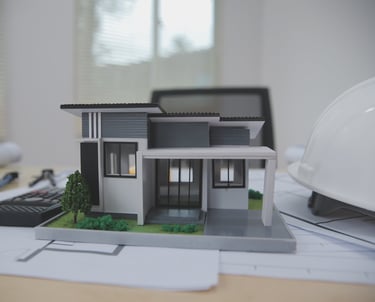
What is Permitted Development?
What Is Prior Approval - and when do you need it?
Permitted Development 𝗗𝗢𝗘𝗦 𝗡𝗢𝗧 𝗔𝗟𝗪𝗔𝗬𝗦 𝗠𝗘𝗔𝗡 Automatic Go-Ahead!
Even when a project sits comfortably within Permitted Development (PD), you may still need to submit a Prior Approval application to your local authority.
Why? Because some PD rights come with an extra layer of oversight to ensure that the development is appropriate for its setting and won’t create unacceptable impacts.
Here are the key situations where Prior Approval is required despite the works being PD:
🔹 𝗟𝗮𝗿𝗴𝗲𝗿 𝗛𝗼𝗺𝗲 𝗘𝘅𝘁𝗲𝗻𝘀𝗶𝗼𝗻𝘀
Single-storey rear extensions beyond the standard PD depth require the neighbour consultation process via Prior Approval.
🔹 𝗖𝗵𝗮𝗻𝗴𝗲𝘀 𝗼𝗳 𝗨𝘀𝗲
Many modern PD rights—such as Class MA (commercial to residential)—are only allowed subject to Prior Approval on issues like highway impact, noise, flooding, natural light and layout.
🔹 𝗔𝗴𝗿𝗶𝗰𝘂𝗹𝘁𝘂𝗿𝗮𝗹 𝘁𝗼 𝗥𝗲𝘀𝗶𝗱𝗲𝗻𝘁𝗶𝗮𝗹 𝗖𝗼𝗻𝘃𝗲𝗿𝘀𝗶𝗼𝗻𝘀 (𝗖𝗹𝗮𝘀𝘀 𝗤)
These always require Prior Approval, covering transport, noise, contamination, structural capability and design.
🔹 𝗔𝗱𝗱𝗶𝘁𝗶𝗼𝗻𝗮𝗹 𝗦𝘁𝗼𝗿𝗲𝘆𝘀 𝗼𝗻 𝗛𝗼𝗺𝗲𝘀 𝗼𝗿 𝗙𝗹𝗮𝘁𝘀
These PD rights come with mandatory Prior Approval on aspects such as appearance, amenity, and impact on neighbours.
🔹 𝗡𝗲𝘄 𝗔𝗴𝗿𝗶𝗰𝘂𝗹𝘁𝘂𝗿𝗮𝗹 𝗕𝘂𝗶𝗹𝗱𝗶𝗻𝗴𝘀
Larger agricultural structures and tracks often require Prior Approval to assess siting, design and impact.
🔹 𝗧𝗲𝗹𝗲𝗰𝗼𝗺𝘀 𝗜𝗻𝗳𝗿𝗮𝘀𝘁𝗿𝘂𝗰𝘁𝘂𝗿𝗲
Masts, antennae and equipment cabinets may be PD but still require Prior Approval for siting and appearance.
The Take-away
Permitted Development can be a powerful tool—but it’s not always a free pass. If your project falls under a PD class that triggers Prior Approval, the local authority must give the green light before work starts.
If you’re unsure whether your proposal needs Prior Approval, feel free to get in touch — we’re always happy to help clarify the process. - Contact Us
What's Actually Allowed Under Permitted Development?
(and where people often get caught out)
Permitted Development gives far more flexibility than many realise — but it’s not a free-for-all. Depending on whether a property is residential or commercial, PD 𝗺𝗮𝘆 allow:
Here are the key situations where Prior Approval is required despite the works being PD:
For Residential Properties:
🏡 Extensions (subject to size limits & design rules)
🏡 Loft Conversions
🏡 Outbuildings (e.g. home offices)
🏡 Porches
🏡 Internal Alterations
🏡 Changes of use (e.g. some conversions to flats under Class MA or Class G)
For Commercial Properties:
🏢 A range of use-class changes made easier in recent years
🏢 Conversions to residential in certain cases
🏢 Minor external works depending on building type
🏢 Temporary uses
And here's where Permitted Developemnt gets even more tricky......
PD can be 'used up'.
If a property has already been extended or altered under PD in the past, those works can limit what additional PD rights remain. You may discover that historic extensions, conservatories, roof alterations, or outbuildings now restrict what is possible today.
The safest way is to have a planning professional check your plans before you start work to see if they fall under PD. - Contact Us
❌ Conservation Areas
Strengthened controls often remove rights — especially for roof and side extensions.
❌ Article 4 Directions
Local authorities can withdraw PD rights, commonly affecting HMOs, office-to-residential conversions, or areas under development pressure.
❌ Listed Buildings & National Parks
PD rights are heavily limited and often don’t apply.
❌ Flats & Maisonettes
A key misunderstanding — most PD rights apply only to single dwellings, not flats.
❌ Prior Works Affecting New Rights
If earlier PD works have ‘used up’ the allowable volume, footprint or roof alterations, further PD may no longer be permitted.
❌ Commercial vs Residential Rules Differ
Commercial buildings have a completely different set of classes, conditions and limitations. Some changes of use are straightforward; others need Prior Approval or full planning permission depending on the building, location and intended outcome.
𝗪𝗵𝗲𝗻 𝗣𝗲𝗿𝗺𝗶𝘁𝘁𝗲𝗱 𝗗𝗲𝘃𝗲𝗹𝗼𝗽𝗺𝗲𝗻𝘁 𝗗𝗼𝗲𝘀𝗻’𝘁 𝗔𝗽𝗽𝗹𝘆
(𝗮𝗻𝗱 𝘄𝗵𝘆 𝗰𝗵𝗲𝗰𝗸𝗶𝗻𝗴 𝗲𝗮𝗿𝗹𝘆 𝗰𝗮𝗻 𝘀𝗮𝘃𝗲 𝗽𝗿𝗼𝗷𝗲𝗰𝘁𝘀 𝗳𝗿𝗼𝗺 𝘂𝗻𝗻𝗲𝗰𝗲𝘀𝘀𝗮𝗿𝘆 𝗱𝗲𝗹𝗮𝘆𝘀)
Despite its flexibility, PD rights do not apply everywhere or in every situation. Common scenarios where PD is restricted, removed, or unavailable include:
If you'd like help confirming whether your property benefits from PD rights - or whether they've been restricted or 'used up' - our team at Cathedral Planning Consultants can provide a fast initial assessment - Contact Us
Contact
© 2025. All rights reserved.